

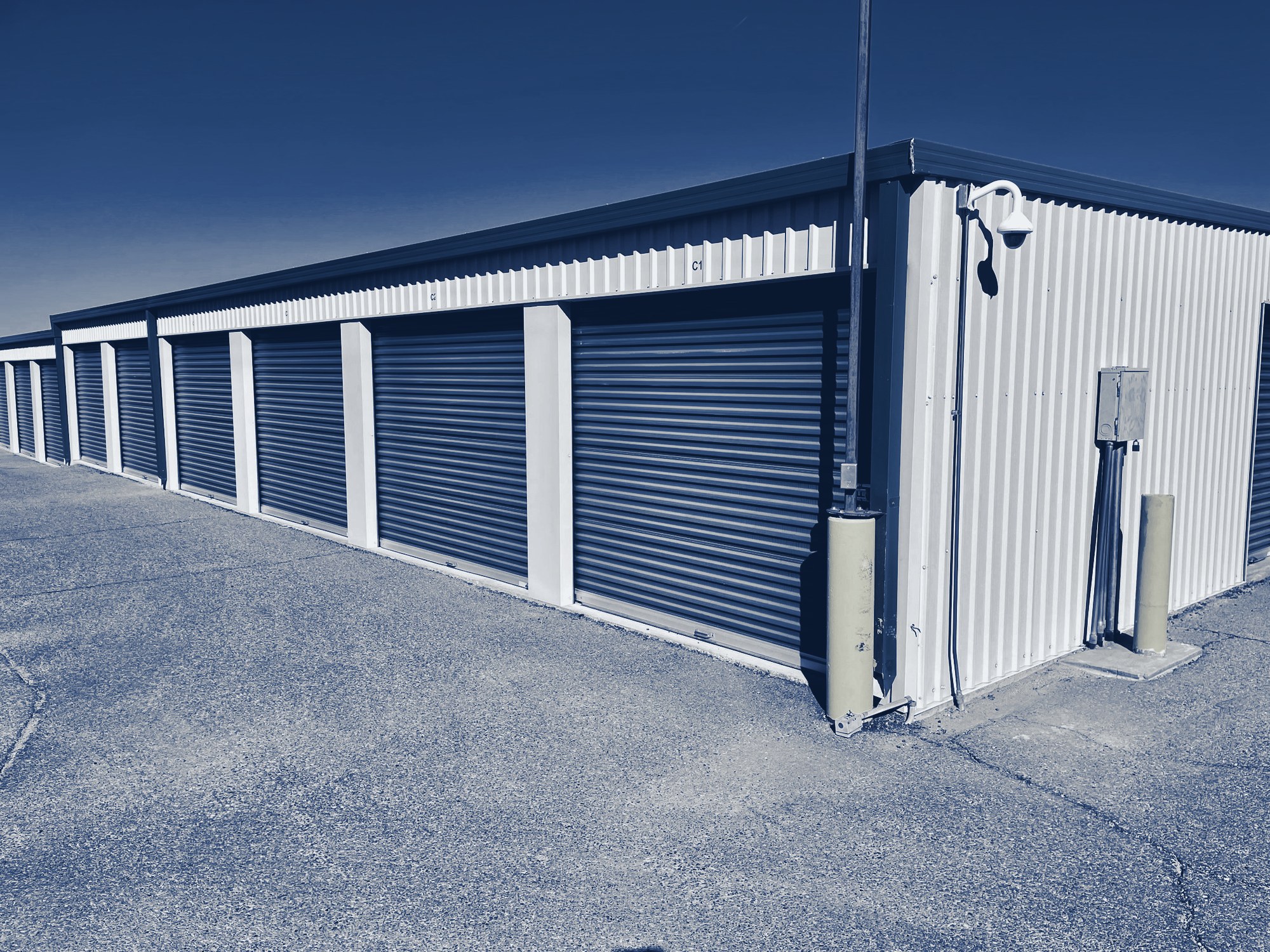
Self-storage can look like a simple business: a building, a set of units, and a gate. In practice, the facilities customers trust and return to are the ones run with care. A customer is handing over belongings that matter to them, sometimes during a move, a renovation, a family transition, or a business change. They want to know their things are safe and that the facility will be easy to deal with.
Cotra Ridge acquires, develops, and operates self-storage facilities. We focus on clean, secure, easy-to-use properties supported by modern access technology, professional management, and data-driven pricing. Those principles shape how we evaluate a facility, how we invest in it, and how we run it day to day.
None of these principles is complicated on its own. What makes them hard is consistency. A facility that is clean on the day of an inspection but neglected the rest of the month, or secure at the front gate but poorly lit at the back of the property, does not earn lasting trust. Our approach is built around routines that hold up on ordinary days, not only on good ones.
This article describes how we think about each part of the work, the questions our teams ask, and how the parent company’s operating standard supports the people who run each property.
What customers are really buying
A storage unit is measured in square feet, but customers rarely think about it that way. They are buying space, certainly, but they are also buying confidence: that the unit will be dry and secure, that they can get to their things when they need them, and that the bill will match what they agreed to when they signed.
That framing changes how we set priorities. A roof leak over a single unit is not a minor maintenance item if it damages a customer’s furniture or records. A gate that fails on a weekend morning is not a small inconvenience to someone with a rented truck waiting outside. We try to see each part of the facility from the customer’s side of the counter, and we ask our teams to do the same.
It also shapes what we measure. Occupancy and rates matter, and we track them closely. But we also pay attention to the signals that tend to come before those numbers move: the tone of customer reviews, the reasons people give when they leave, the volume of calls about the same issue, and how long it takes to resolve a problem once it is reported.
Clean and well kept, every day
A customer’s first impression of a storage facility is usually physical. Are the grounds tidy? Are the hallways well lit? Do doors open smoothly? Is the office organized? These details signal whether the operator is paying attention, and customers notice them before they ever compare rates.
Our teams treat cleanliness and upkeep as routine operating work, not occasional projects. That means scheduled walk-throughs with a written checklist, vacant units swept and inspected before they are offered again, prompt attention to burned-out lights and sticking doors, and a regular pest prevention program. Small problems are logged and closed, so that nothing depends on someone remembering.
The larger building elements deserve the same discipline on a longer cycle. Roofs, paving, drainage, gutters, fencing, and climate-control equipment all wear over time, and each failure carries a risk to customer belongings. As with every Cotra asset, these needs are planned through a written business plan, so capital is spent deliberately and tracked against budget each month rather than deferred until something breaks.
Security as a system
Security is the core promise of self-storage. Customers expect controlled access, good lighting, well-maintained fencing and gates, and a facility that feels watched over. They may never read the details of how it works, but they can tell quickly whether a property feels secure.
“Security is the core promise of self-storage.”
We evaluate security as a system rather than a single feature. Perimeter fencing, gate controls, unit locks, lighting, cameras, alarms, and staff presence each cover a different risk, and a weakness in one can undermine the others. A modern camera system adds little if the back corner of the lot is dark, and a strong gate means less if a section of fence has been damaged and not repaired.
So our reviews are practical. Our teams walk the property at different times of day, test access points, check that cameras cover the areas they are meant to cover, and confirm that recordings are retained and retrievable. Where we find gaps, we fix them and record what was done. Just as important, we explain to customers how access works, so security feels reassuring rather than confusing.
Access technology that serves people
Modern access technology can make a facility both more secure and more convenient. Customers increasingly expect to reserve a unit, sign a lease, make payments, and enter the property with minimal friction, while still being able to reach a person when they need help.
When we consider technology for a Cotra Ridge facility, we ask two questions. Does it make the customer’s experience simpler? Does it give our teams better information to run the property? Tools that answer both are worth adopting. A system that records each entry, for example, can help customers feel secure and help our teams understand traffic patterns, staffing needs, and unusual activity.
We are also careful about what technology cannot do. A customer who is locked out, confused about a charge, or worried about their unit needs a clear way to reach someone who can help. Technology is meant to support professional management, not replace it. Every facility should have a well-publicized way to get a person on the line, and our teams should treat those calls as part of the job rather than an interruption.
Data-driven pricing, applied with judgment
Self-storage pricing responds to local demand, unit size, availability, and seasonality. Using data helps us set rates that reflect the market and the value a facility provides, rather than relying on guesswork or rates that have not been revisited in years.
In practice, that means looking at which unit sizes are in demand and which sit vacant, how inquiries and reservations change through the year, and what comparable facilities nearby offer. A facility with plenty of small units available and a waiting list for large ones has a pricing question and, sometimes, a unit-mix question as well.
We pair that data with judgment. Pricing decisions are reviewed by people who understand the facility and its customers, and we aim to be clear and consistent in how rates and fees are communicated. Integrity is one of Cotra’s values, and customers should never be surprised by the terms of their rental. When rates change for existing customers, we give clear notice and explain the change plainly.
Pricing is also connected to everything else in this article. A clean, secure, easy-to-use facility earns the trust that supports its rates over time. Data can inform the decision, but the operating experience is what sustains it.
“Data can inform the decision, but the operating experience is what sustains it.”
Professional management, one standard
Each Cotra Ridge facility is managed under the same operating discipline that applies across the Cotra family. Every property has a written business plan. Each reports monthly on occupancy, rent growth, operating margin, capital spend against budget, and customer satisfaction. One set of controls applies from acquisition to disposition, and our investment committee approves every acquisition, development, and disposition.
That consistency allows specialists to focus on storage operations while Cotra’s shared investment, finance, and operating resources stand behind them. It also means partners can understand how a facility is performing in the same terms they would use for any other Cotra property, and that problems surface in a regular review rather than by surprise.
Professional management also means people. Facility staff are trained in customer service, in the systems they use every day, in how to handle a past-due account respectfully and lawfully, and in what to do when something goes wrong. We want the person at the counter to know the property well and to feel responsible for it.
A series of small commitments
Self-storage done right is a series of small commitments, kept consistently: a clean hallway, a working gate, a fair rate, and a helpful answer when a customer calls. None is remarkable on its own. Together, they are what customers mean when they say a facility is well run.
We keep our customers’ belongings safe by keeping our standards high.
This article is for general information only. It is not investment, legal or tax advice, and it is not an offer to sell or a solicitation of an offer to buy any security. See Important information.