

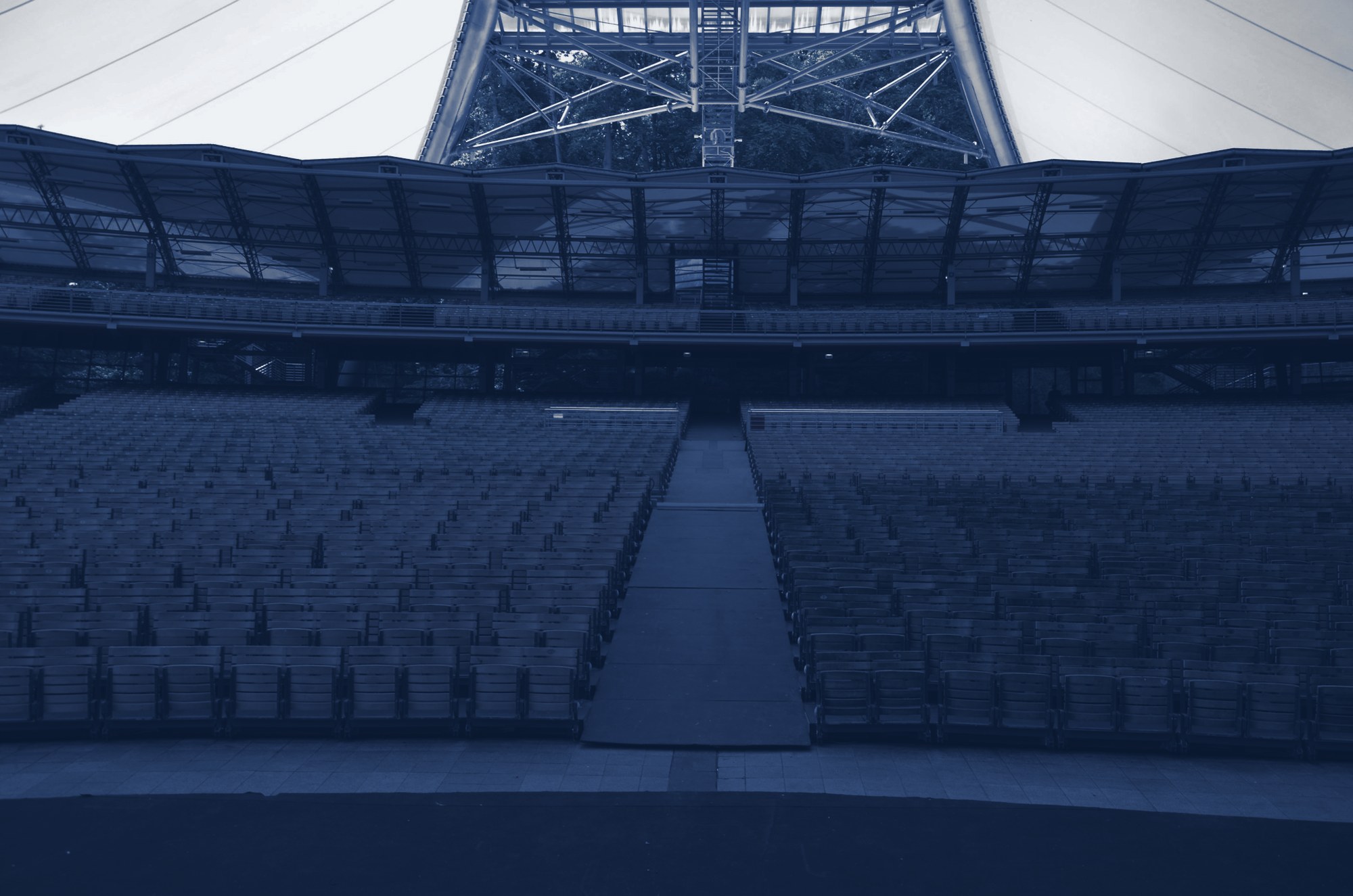
When a live event goes well, safety is invisible. Guests arrive, enjoy the show and leave without thinking about the planning that made the evening possible. That invisibility is the goal, and it is earned through work that begins long before the doors open and continues long after they close.
Cotra Spotlight owns and operates entertainment venues, and we treat safety as a core operating discipline rather than a separate function. It shapes how buildings are maintained, how events are planned, how staff are trained and how we work with the public agencies and partners who share responsibility for a crowd.
Safety in a venue is not a single plan. It is a set of habits practiced on every event day, quiet day and day in between.
This article describes those habits: understanding the event, managing crowds, providing security, maintaining life-safety systems, coordinating with authorities, training staff and learning from every event.
Every event starts with a plan
No two events are the same. A seated performance, a general admission concert, a family show and a community gathering bring different audiences, different arrival patterns and different risks. Safety planning starts by understanding what is actually going to happen in the building.
For each event, our teams consider the expected attendance, the layout of the room, the nature of the performance, the likely arrival and departure patterns and any special elements such as pyrotechnics, rigging or temporary structures. We talk with the promoter and production about what they are bringing, and we review what has worked and what has not at similar events.
From that review comes an event plan: staffing levels and positions, entry procedures, crowd management approach, medical coverage, communication protocols and contingency plans for weather, delays, medical emergencies, power loss or evacuation. The plan is written, shared with the people who will carry it out and reviewed before doors open.
Planning scales with the event. A small, seated performance may need only a standard plan with a few adjustments. A large or unusual event may call for additional staff, separate meetings with public agencies and a walk-through of the building with production and security leads. The purpose is the same in every case: to think through what could happen before it does.
Managing the crowd
Crowd management is about anticipating how people will move and making it easy for them to move safely. It begins outside the building, with how guests arrive by car, transit or on foot, where lines will form and how they will be organized. Clear signage, well-placed staff and enough entry points for the expected crowd prevent many problems before they start.
Inside, we pay attention to density, flow and sight lines. Concourses, stairs, restrooms and concessions all create points where crowds gather. Staff are positioned to observe those areas, guide guests and respond early when conditions change. In general admission settings, barriers and front-of-stage arrangements receive particular attention.
Departure matters as much as arrival. When an event ends, a full house leaves at once. Exit routes are kept clear, staff remain in position until the building is empty and coordination with traffic and transit helps guests disperse safely.
Weather adds another layer. Lines that form outdoors, events that use outdoor spaces and departures into heavy rain, heat or cold all require planning. Our teams monitor conditions on event days and have clear criteria for when to delay doors, move guests indoors or pause an event, along with a plan for communicating those decisions.
“Clear signage, well-placed staff and enough entry points for the expected crowd prevent many problems before they start.”
Security that respects guests
Security is part of the guest experience. Entry screening, bag policies and credential checks protect everyone in the building, and they work best when guests understand them in advance and staff carry them out efficiently and courteously.
We communicate policies clearly before the event, so guests know what to bring and what to leave at home. At entry, we aim for screening that is thorough without being needlessly slow, and staff who are firm about the rules while treating every guest with respect. Throughout the event, security staff watch for problems, de-escalate where they can and know when to call for additional help.
Back-of-house security matters as well. Artists, crews and staff need secure working areas, and access to loading docks, dressing rooms and technical spaces should be limited to people with a reason to be there. Credentials are issued and checked with care.
Medical readiness is part of security planning. Depending on the event, that may mean on-site medical staff, first aid stations, defibrillators placed and checked, and clear procedures for reaching a guest in a crowded area. Staff are trained to recognize when a guest needs help and how to summon it quickly.
Life-safety systems kept ready
A venue’s fire alarm, sprinkler, emergency lighting, public address and egress systems must be ready to work at any moment. Our teams maintain them on schedules that meet code and the requirements of local authorities, keep the inspection and testing records and correct deficiencies promptly.
Event days add their own checks. Before doors open, staff confirm that exits are clear and unlocked as required, emergency lighting is working, fire equipment is accessible and communication systems are functioning. Temporary staging, seating and production equipment are reviewed so that they do not obstruct exits or compromise the building’s systems.
This work connects directly to the capital plan in each venue’s written business plan. When life-safety equipment approaches the end of its useful life, replacement is planned and funded, not deferred.
“When life-safety equipment approaches the end of its useful life, replacement is planned and funded, not deferred.”
Coordination with local authorities
Public safety at a large event is a shared responsibility. Fire departments, police, emergency medical services, building officials and transportation agencies each have a role. We work to build steady, professional relationships with those agencies, not only when a large event is approaching.
For significant events, coordination may include advance meetings, shared event plans, agreed communication channels and a clear understanding of who makes which decisions in an emergency. Permits and inspections are handled on time and in full. After events, we welcome feedback from the agencies we work with and use it to improve.
Neighbors are part of this picture too. Large events affect surrounding streets, parking and transit. Advance communication with nearby residents and businesses, coordinated traffic plans and attention to how guests leave the area help a venue remain a welcome part of its community.
Training the people on the floor
Plans are carried out by people. Ushers, security staff, concessions workers, technicians and managers all play a part in keeping guests safe, and each needs to know what is expected of them. Training covers the basics of every role, along with emergency procedures, evacuation routes, communication protocols and how to recognize and report a concern.
Training is repeated, not delivered once. Staff turnover in live events can be significant, and even experienced staff benefit from regular drills and refreshers. Pre-event briefings remind every team of the specific plan for that night: what is different, where the risks lie and who to contact.
We also want staff to feel able to speak up. The person who notices a blocked exit, an overcrowded area or a guest in distress should know that raising the issue is welcomed, and that someone will act on it.
Supervisors carry particular responsibility. They are expected to know the event plan in detail, check that staff are in position, make decisions quickly when conditions change and communicate clearly through the chain of command. Training for supervisors includes scenarios that test those decisions before they are needed for real.
Learning after every event
Each event is a chance to improve. After the building is clear, teams review what happened: incidents, near misses, crowd patterns, staffing gaps and guest feedback. Lessons are recorded and carried into the next plan, and recurring issues feed into training, maintenance and capital decisions. This review is part of the same operating standard Cotra applies across every platform, where problems are surfaced early and handled plainly.
Safety is also part of the business plan and monthly reporting for every venue. Capital for life-safety systems, staffing levels for events and training time are budgeted deliberately. Our investment committee, which approves every acquisition, development and disposition across Cotra’s eight platforms, expects safety to be addressed in every venue plan it reviews.
A safe venue is the product of many small, careful decisions made consistently over time.
This article is for general information only. It is not investment, legal or tax advice, and it is not an offer to sell or a solicitation of an offer to buy any security. See Important information.